Are the figures right, but too little is happening in the building itself? Maintenance is not managed consistently, measures are delayed, and technical issues run on the side?
Particularly with commercial real estate, the yield is not just decided in the Excel sheet. It is decided above all in the ongoing operation of the property. Empty units, technical failures, unplanned repairs, or delayed measures often have a direct impact on costs, tenancies, and long-term value preservation.
Many of these problems do not arise suddenly. They develop slowly, often over months or years. This is precisely why professional property controlling is becoming increasingly important for commercial real estate.
What property controlling actually means
Property controlling means the ongoing management and monitoring of a property from a technical, organisational, and administrative perspective. It is not just about whether rents are received on time or budgets are met. Above all, it is about ensuring that the property works reliably in everyday life and that risks are identified early.
This includes coordinating technical maintenance, tracking ongoing measures, managing service providers, and checking important deadlines and inspection obligations.
Particularly with commercial real estate, many of these issues run in parallel. Without clear management, this quickly leads to delays, unnecessary costs, or technical problems that develop unnoticed over longer periods.
Yield comes from ongoing property operations
Many owners initially view yield primarily from a financial perspective: rental income, cost structure, vacancy rates, or financing.
In the daily routine of a commercial property, however, it quickly becomes clear that yield is also generated operationally. Even financially strong properties lose stability if technical or organisational topics are not managed consistently.
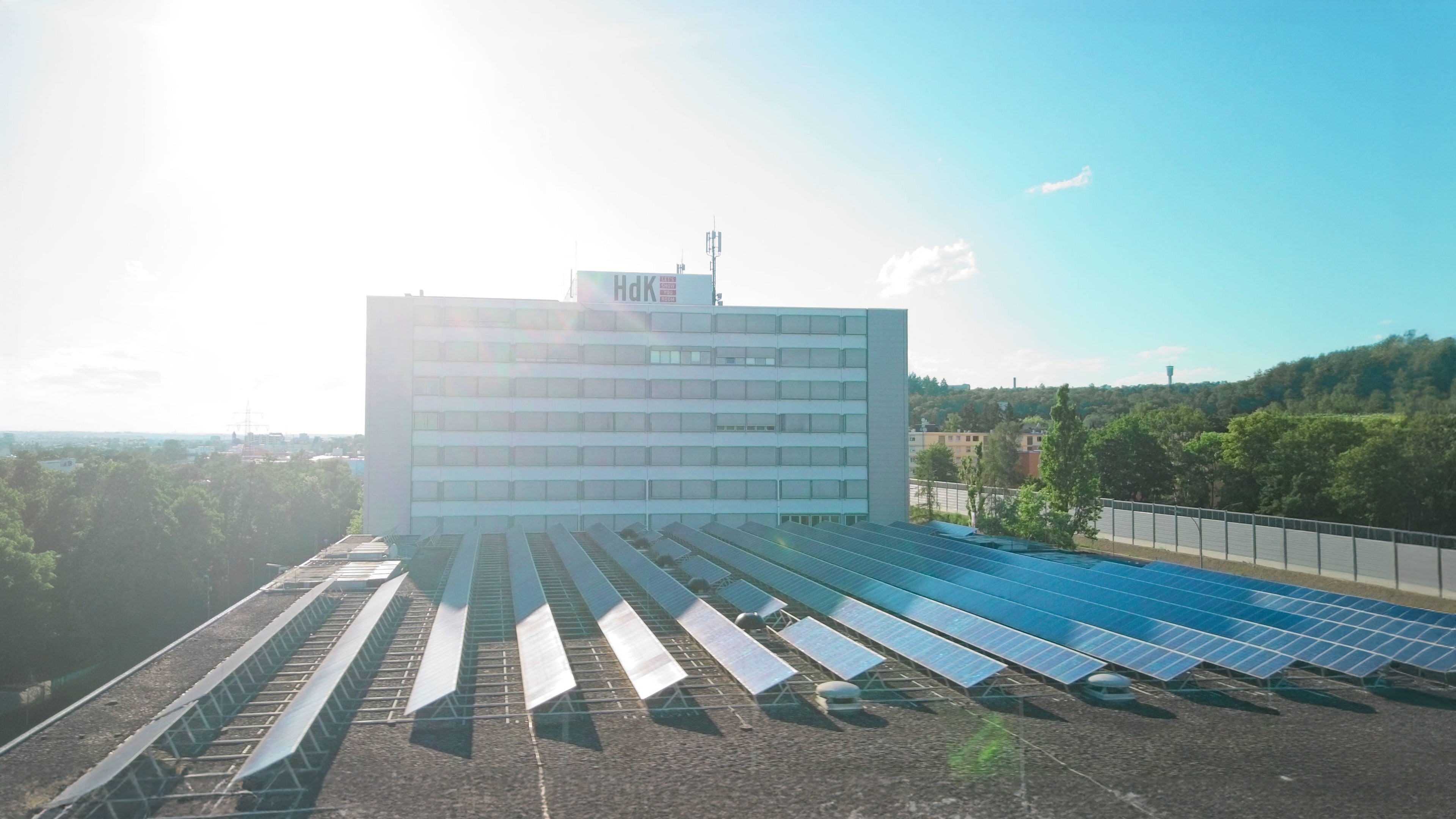
Technical systems such as photovoltaics must not only be installed but also looked after reliably over the long term.
A typical example: a ventilation system operates inefficiently over a long period. Maintenance is postponed, minor defects are not documented, and technical cues are taken seriously too late. At first, this often goes unnoticed. Over time, however, operating costs rise, tenants report problems, and necessary repairs become significantly more expensive.
The same applies to missing technical documentation, poorly coordinated service providers, or measures that remain open unnecessarily long. The financial consequences often only show up later, but then have a direct impact on the yield.
Technical management is often underestimated
Technical issues in commercial real estate often run on the side for a long time. As long as systems work and no acute damage is visible, it is easy to get the impression that there is no immediate need for action.
The actual problems, however, usually develop slowly. Small technical issues turn into larger measures. Maintenance intervals are missed, documentation is lacking, or necessary coordination drags on unnecessarily.
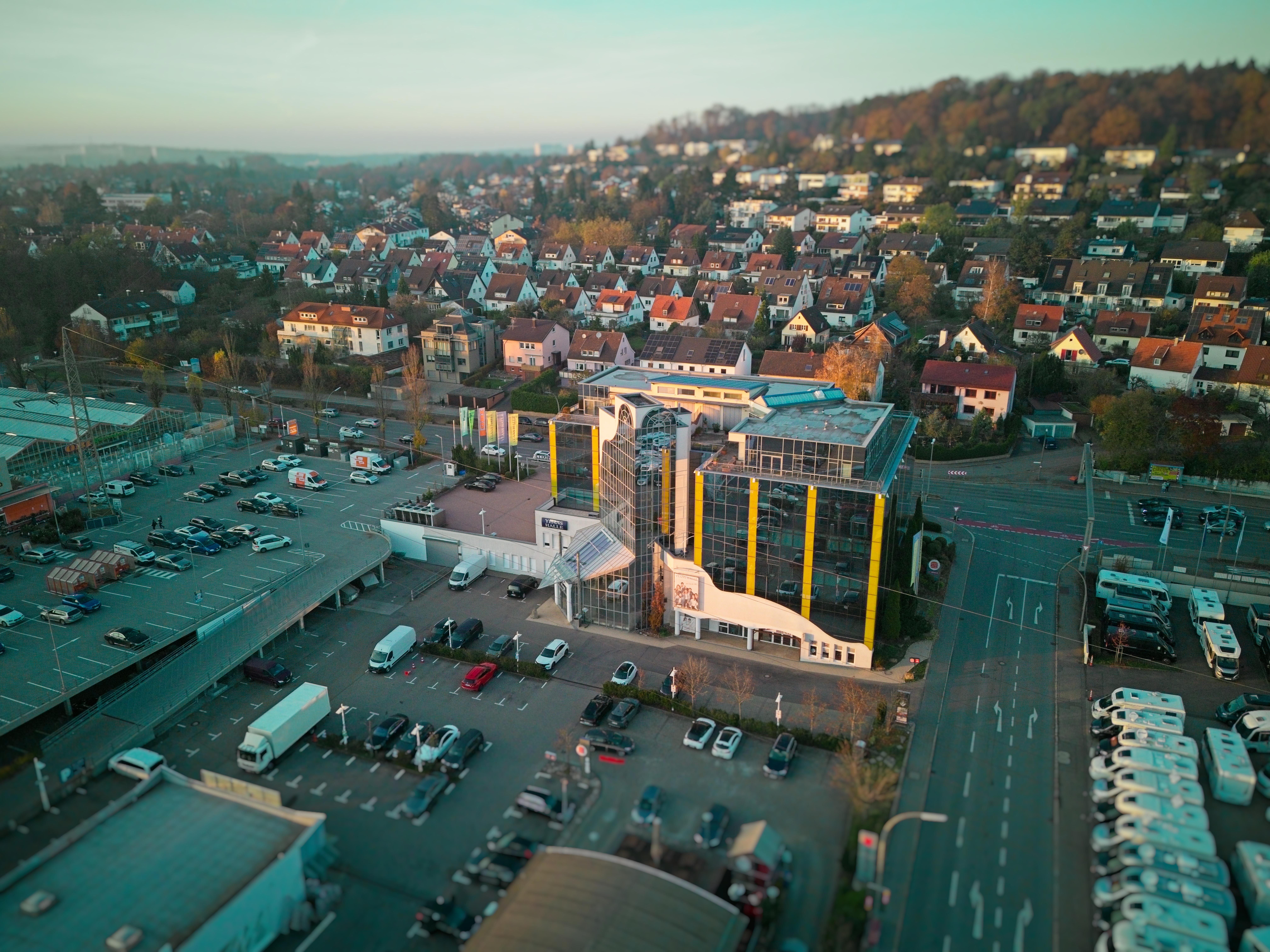
Particularly with larger commercial properties, technical management needs continuous attention rather than mere reaction in the event of a problem.
This becomes particularly problematic with commercial real estate with high technical utilization, multiple users, or complex operational processes. In these cases, technical problems often have an immediate impact on the ongoing business of the tenants.
Professional property controlling therefore does not mean waiting to react to problems. It means making technical developments visible early on and consistently tracking measures.
Commercial real estate needs active management
Compared to classic residential properties, commercial real estate is usually organized in a much more complex way. Different types of use, larger areas, technical requirements, and individual tenancies significantly increase the coordination effort.
In addition, many commercial tenants rely on functioning processes themselves. Technical faults, failures, or delayed measures therefore do not just affect the building itself, but often directly affect the tenants' business operations.
This also increases the demands on owners and management. Problems must be identified early, measures reliably coordinated, and technical developments placed in a financial context. This is precisely why property controlling is increasingly becoming a financial factor today and not just an operational administration task.
A lack of overview quickly becomes expensive
Many costs do not arise from individual major damage, but from a lack of tracking in daily operations. When maintenance is postponed, technical developments are identified too late, or measures are not properly documented, unnecessary follow-up costs often arise. At the same time, predictability for owners decreases.
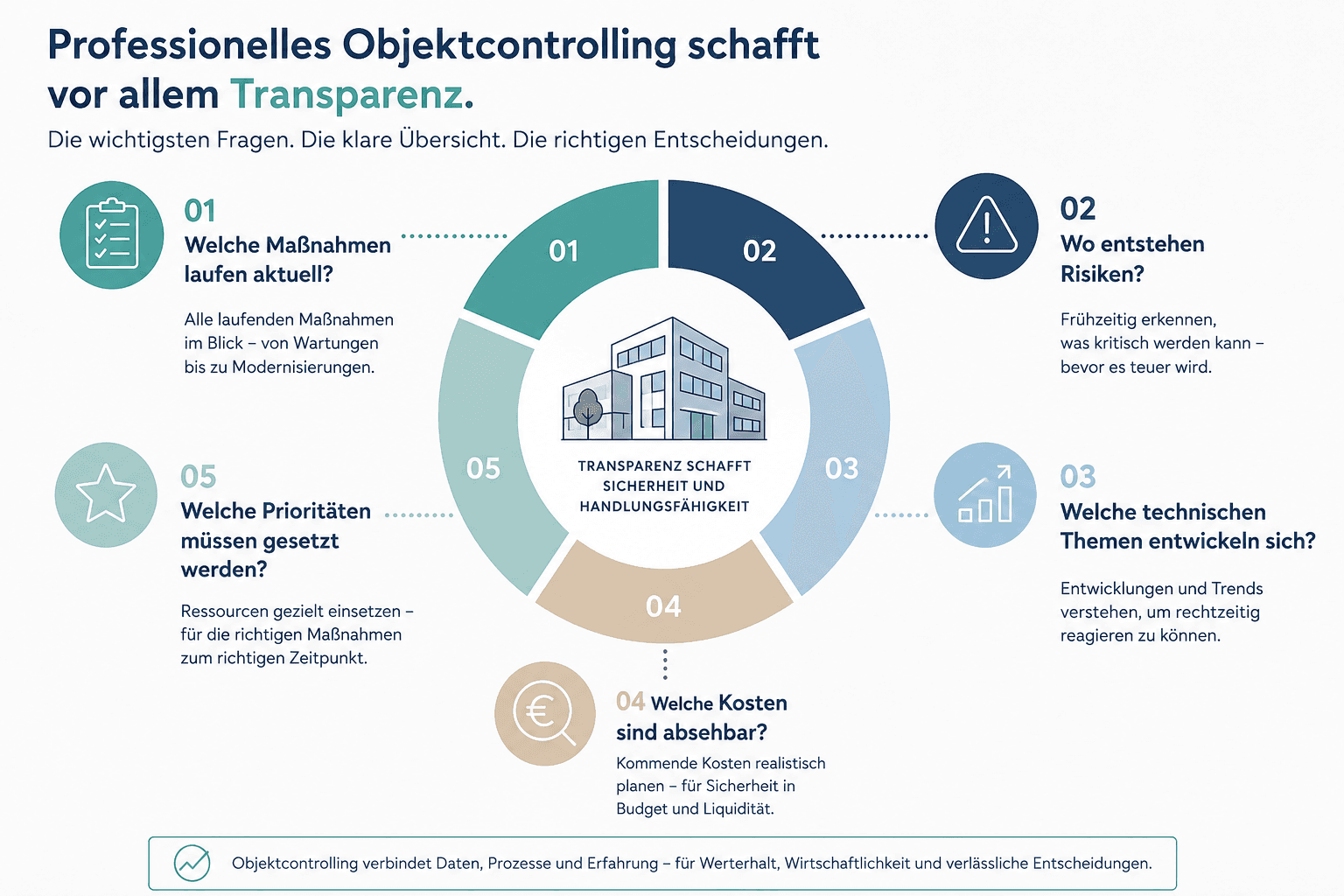
Only with this overview can commercial real estate be managed economically in the long term.
Property controlling is increasingly becoming a competitive factor
The demands on commercial real estate have been rising for years. Technical building equipment is becoming more complex, ESG requirements are gaining in importance, and at the same time, tenants expect stable and professional processes.[1,2]
Studies by PwC and the Urban Land Institute also show that rising operating costs, technical facility management, and maintenance strategies are now among the most important economic influencing factors for commercial real estate.[3]
This is also changing the role of modern commercial management. Management today must accompany technical developments much more closely, make risks visible, and assess measures from an economic perspective. That is precisely where good property controlling increasingly decides on stability, value preservation, and long-term yield.
Good commercial management creates an overview
At Theo, we do not view commercial management merely as the organisation of individual tasks. For us, good management means actively supporting properties in ongoing operations, making technical issues visible early on, and reliably tracking measures.
Because yield is not just created by good figures. It comes from properties that are managed with foresight, supported technically, and controlled in an economically sensible way over the long term.
Sources
[1] JLL. (2024). Global Real Estate Perspective 2024. JLL Research. https://www.jll.com
[2] Deloitte. (2024). 2024 Commercial Real Estate Outlook. Deloitte Insights. https://www2.deloitte.com
[3] PwC & Urban Land Institute. (2024). Emerging Trends in Real Estate Europe 2024. PwC. https://www.pwc.com
Find out why more and more people are switching to Theo.
Similar items
General
Insights and updates
Hallo theo is now Theo
hallo theo is now Theo. Three years ago, we started with a clear goal: to make property management reliable, straightforward and personal. That remains the same. What is changing is our brand. We have a new name, a new look and a new website. Your local team in Berlin, Frankfurt, Munich, Stuttgart and Wildeshausen is still here. Your contacts, phone numbers and email addresses also remain the same.
Homeowners' association
Insights and updates
New partnership: Theo and BSK Immobilien – estate agents for Berliner Sparkasse
As a property owner, you deal with a wide range of questions. Sometimes it is about daily management, sometimes a rental, selling a flat, or figuring out the current value of your property.
General
Market & outlook
New challenges demand new solutions: how property management needs to change
Property management is much more complex today than it was a few years ago. Owners expect fast replies, transparent processes and reliable contacts. At the same time, legal requirements are increasing, technical issues are becoming more demanding, and decisions within homeowners' associations must be properly documented and put into action.
Rented property
Knowledge & advice
Your service charge statement in three simple steps.
For many property owners, service charge statements are a task that is easily put off. It is not because individual items are hard to understand. It is simply that many questions tend to come up at the same time: which costs can you actually pass on? What documents do you need? And how do you make sure the statement is complete and correct?